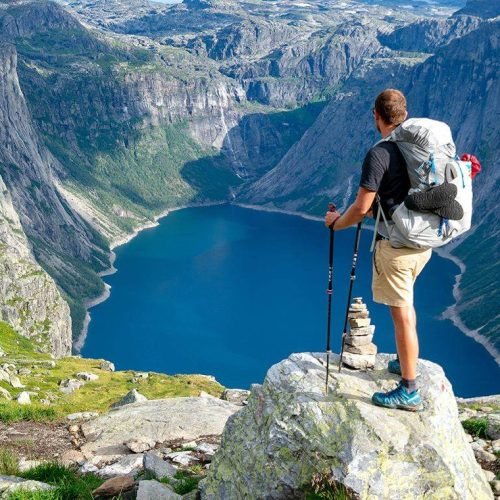
Footwear is often the most overlooked yet most essential piece of gear for any kind of adventure travel. The wrong shoes can result in blisters, sore feet, or even serious injuries, while the right ones can carry you comfortably across forests, deserts, mountains, or urban streets. Whether you're trekking in the Andes, navigating slippery river crossings, or city-hopping in Europe, selecting the right footwear will greatly influence your travel experience.
This guide will help you understand how to choose the right shoes for your adventure, what features to look for, and how to care for them so they support you every step of the way.
Why Footwear Matters
Adventure travel often involves long days on foot, variable terrain, and unpredictable weather. The right footwear:
- Prevents injury: Protects against twisted ankles, blisters, and joint pain.
- Improves endurance: Keeps your feet comfortable, allowing you to go farther.
- Supports your body: Offers arch and ankle support that reduces fatigue.
- Increases safety: Helps you maintain traction on slick or rugged surfaces.
Choosing the right shoes isn’t just about comfort—it's about performance and safety.
Understand Your Adventure Type
The first step to picking the right footwear is identifying the kind of activities you'll be doing.
1. Trekking and Backpacking
For multi-day hikes or mountain trails, durability and support are key.
- Recommended: Mid- or high-cut hiking boots
- Features to look for: Ankle support, grippy outsoles, waterproof membranes, toe protection
- Best for: Rocky terrain, muddy paths, and carrying heavy backpacks
2. Day Hiking
Shorter trails or light treks require versatile and breathable options.
- Recommended: Low- to mid-cut hiking shoes
- Features to look for: Lightweight, flexible soles, moderate grip
- Best for: Forest trails, moderate inclines, warm climates
3. Urban Exploration
Exploring cities still demands good footwear, especially if you're walking for hours.
- Recommended: Comfortable walking shoes or travel sneakers
- Features to look for: Cushioning, arch support, breathable materials
- Best for: Pavement, museums, local markets, and public transport
4. Water Adventures
Whether it’s kayaking, crossing streams, or beach trekking, water-friendly shoes are essential.
- Recommended: Water shoes or sandals
- Features to look for: Quick-drying, slip-resistant soles, secure fit
- Best for: Wet environments, coastal areas, tropical rainforests
5. Cold Weather or Snow
Insulation becomes a priority in freezing environments.
- Recommended: Insulated boots with waterproofing
- Features to look for: Thinsulate or wool lining, grippy soles, waterproof leather or synthetics
- Best for: Snowy trails, alpine climates, icy sidewalks
Know Your Feet
Understanding your feet helps you choose shoes that truly fit and function well.
Consider:
- Arch type: High, medium, or flat arches may require different insoles.
- Foot width: Narrow, regular, or wide feet need appropriately sized footwear.
- Past injuries: Prior ankle twists or plantar fasciitis require more support.
- Gait: Do you pronate or supinate while walking? Choose accordingly.
Most outdoor stores offer foot analysis services that can guide your purchase.
Key Footwear Features to Look For
1. Fit
- Try shoes at the end of the day (when feet swell slightly)
- Leave half an inch between your toes and the shoe front
- Ensure no slipping in the heel or tightness in the toe box
2. Support
- Look for good arch support, especially for longer treks
- Ankle collars are helpful for rugged terrain
3. Grip
- Lug patterns (deep grooves on the sole) improve traction on trails
- Look for Vibram or similar high-traction outsoles
4. Water Resistance
- Waterproof boots keep your feet dry in rain or snow
- Consider breathability too—Gore-Tex or eVent membranes balance both
5. Weight
- Lighter shoes reduce fatigue but may offer less protection
- Strike a balance between durability and agility
The Footwear Essentials: Types and When to Use Them
Hiking Boots
- Pros: Strong support, durable, water-resistant
- Cons: Heavier, longer break-in time
- Ideal for: Backpacking, alpine trails, uneven terrain
Trail Running Shoes
- Pros: Lightweight, breathable, quick-drying
- Cons: Less ankle support
- Ideal for: Day hikes, speed treks, dry conditions
Approach Shoes
- Pros: Grippy soles, built for climbing and hiking hybrids
- Cons: Less comfort for long walks
- Ideal for: Scrambling, short treks near rocky areas
Travel Sneakers
- Pros: Stylish, comfortable, lightweight
- Cons: Not ideal for rugged terrain
- Ideal for: City travel, casual walking days
Sandals
- Pros: Open and breathable, easy to dry
- Cons: Exposed toes, less stability
- Ideal for: Hot climates, water treks, casual days
Breaking In Your Footwear
New shoes, no matter how well-designed, can cause blisters if not broken in. Here's how to do it right:
- Start early: Begin wearing your new shoes at least a few weeks before departure.
- Use them for errands: Gradually build up wear time.
- Simulate the adventure: Take them on local hikes or terrain similar to your destination.
- Use the right socks: Wear the same socks you'll use during your trip.
- Address hot spots early: Tape areas prone to rubbing or use blister prevention products.
Socks: The Unsung Hero
Socks are critical in your footwear system. Cotton traps moisture and causes blisters—avoid it at all costs.
Choose:
- Merino wool: Soft, breathable, odor-resistant
- Synthetic blends: Moisture-wicking and fast-drying
Consider packing:
- 2–3 pairs of hiking socks
- 1 pair of liner socks (to reduce friction)
- 1 pair of thicker socks for cold climates
Always carry an extra dry pair in your daypack—wet feet are miserable feet.
Caring for Your Footwear
Good shoes are an investment. Protect them with proper care:
- Clean regularly: Remove dirt and debris after hikes
- Dry completely: Never dry with direct heat—stuff with newspaper and let air-dry
- Re-waterproof: Use sprays or wax to maintain waterproofing over time
- Store properly: Keep in a cool, dry place between trips
With proper maintenance, quality footwear can last through multiple adventures.
When to Replace Your Shoes
Even the best footwear wears out. Look for signs like:
- Flattened midsoles
- Worn treads with little grip
- Torn fabric or seams
- Increased foot discomfort
As a general rule:
- Hiking boots: Last 800–1000 miles
- Trail shoes: 500–800 miles
- Running shoes: 300–500 miles
Final Thoughts: Let Your Feet Guide Your Journey
Your feet are your foundation in adventure travel, and your footwear is their first line of defense. With the right shoes, you'll be able to focus on the experience—whether you're scaling peaks, wandering ancient cities, or strolling along hidden beaches.
Choosing footwear might not seem glamorous, but it’s one of the most practical and personal decisions you can make. It’s about knowing your destination, understanding your body, and being prepared for the road ahead.
So take the time to find the perfect pair, break them in with care, and trust them to carry you to the most memorable parts of your journey—one step at a time.