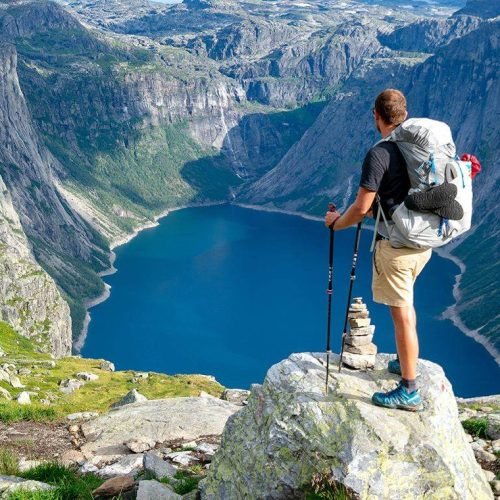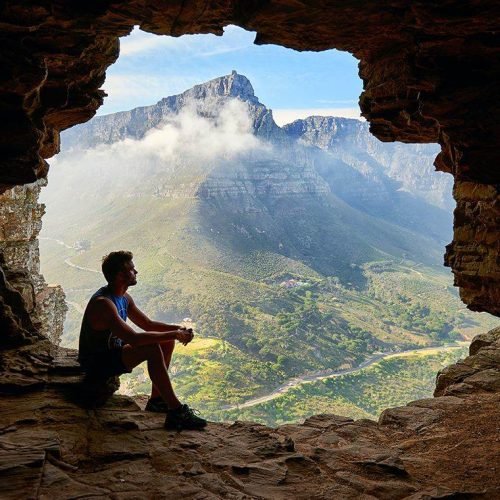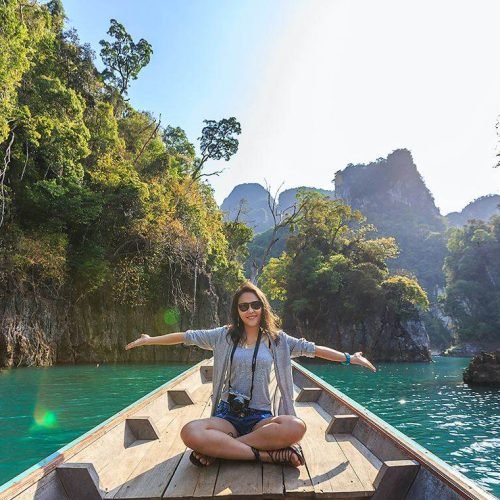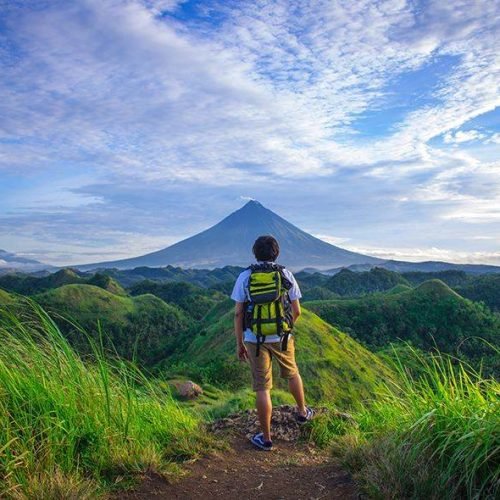
Traveling alone as a woman is a transformative experience. It’s not just about ticking places off a bucket list—it’s about stepping into your power, trusting your instincts, and connecting with the world on your own terms. Solo female adventure travel, in particular, blends the thrill of exploration with a strong sense of independence and self-reliance. From summiting mountain trails to wandering through remote villages, women around the world are embracing the freedom and growth that come with hitting the road solo.
However, traveling alone—especially in adventure contexts—also brings unique challenges and concerns, particularly when it comes to safety and cultural awareness. This blog explores how solo female travelers can feel empowered, stay safe, and make the most of their adventures without compromising their freedom or joy.
The Rise of Solo Female Adventure Travel
In recent years, the number of women traveling solo has grown rapidly. According to travel industry data, over 70% of solo travelers are women. More women are trekking through the Andes, diving in Southeast Asia, hiking in the Alps, and navigating remote regions from Africa to the Arctic.
Why the shift? For many, it’s about:
- Personal growth and confidence building
- Escaping traditional routines and expectations
- Seeking authenticity and connection with nature and cultures
- Proving to themselves that they can thrive outside comfort zones
Adventure travel adds a physical and mental layer of resilience to solo travel, requiring courage, strategy, and self-trust.
Empowerment Through Adventure
Solo adventure travel provides one of the most empowering life experiences for women. Here’s how:
1. Freedom of Choice
You make every decision—destination, pace, activities, when to rest, when to push forward. There’s a deep sense of liberation in not having to compromise.
2. Increased Self-Confidence
Overcoming language barriers, navigating foreign transportation, and managing unexpected challenges instill a powerful sense of capability.
3. Connection with Yourself
Solo time in nature or in unfamiliar cultures helps you reflect, understand your needs and values, and listen to your inner voice more clearly.
4. Expanding Comfort Zones
Adventure travel often involves physical challenges—like climbing, hiking, kayaking—which lead to mental breakthroughs. Each conquered fear becomes a badge of strength.
Safety Tips for Solo Female Adventurers
Empowerment doesn’t mean ignoring risk. Smart preparation can dramatically reduce potential problems and increase your sense of security while on the road. Here are essential safety practices to follow:
1. Research Extensively
Before setting foot in a new region, research is your first line of defense.
- Learn about cultural norms and expectations for women.
- Identify safe neighborhoods or areas to avoid.
- Understand local transportation, emergency services, and healthcare availability.
- Check travel advisories and recent traveler reviews.
2. Dress Appropriately for the Culture
Respecting local customs can help you blend in and avoid unnecessary attention.
- In conservative regions, modest clothing is often not just respectful but expected.
- Consider wearing a wedding band or carrying a family photo if you’re worried about harassment in areas with traditional gender norms.
3. Keep Accommodation Information Secure
Don’t share your lodging details with strangers.
- Always lock your doors and windows.
- Choose accommodations with good reviews from solo female travelers.
- Let someone know your plans when heading out on hikes or excursions.
4. Stay Connected
Maintain contact with family or friends while traveling.
- Share your itinerary or use real-time tracking apps like Find My or Life360.
- Buy a local SIM card or international data plan.
- Carry a power bank to avoid phone battery issues during long days.
5. Trust Your Instincts
Your gut is a powerful guide. If something feels off, don’t rationalize it—act.
- Decline offers that feel uncomfortable, even if they seem polite.
- Avoid isolated places after dark unless you’re sure of their safety.
- Don’t hesitate to say no firmly and remove yourself from uncomfortable situations.
6. Learn Basic Self-Defense
While most trips are uneventful, knowing a few self-defense techniques builds confidence.
- Consider taking a short self-defense course before your trip.
- Carry a whistle, alarm, or pepper spray where legal.
- Walk with purpose and awareness—confidence often deters opportunistic threats.
Adventure-Specific Safety
Certain types of adventure travel come with their own risks. Here’s how to mitigate them:
Hiking and Trekking
- Tell someone your route and expected return time.
- Start early and know your trail difficulty level.
- Carry enough water, food, and a basic first-aid kit.
Water Sports
- Use reputable rental and guide companies.
- Never go diving or rafting alone.
- Follow all safety briefings, even if they seem basic.
Camping
- Choose established campgrounds with security or where other travelers are staying.
- Keep your valuables with you or locked away.
- Set up camp before dark to assess the area safely.
Building Community on the Road
Solo travel doesn’t mean being lonely. In fact, solo female adventurers often find deeper connections with people they meet along the way.
1. Join Group Tours or Day Trips
- They offer both safety and social opportunities.
- Women-only tours can be particularly empowering and supportive.
2. Stay at Hostels or Guesthouses
- Common areas and shared activities create organic chances to meet fellow travelers.
- Look for places that cater to solo women or offer female-only dorms.
3. Use Travel Communities
- Apps like Tourlina or platforms like Facebook’s solo female traveler groups allow you to meet or get advice from like-minded women.
4. Connect With Local Women
- Community centers, workshops, or even local guides can offer enriching cultural exchanges and insights.
Mindset Matters
Solo female travel requires a balance between openness and vigilance. These internal practices can make your journey more fulfilling:
- Stay confident, not arrogant: Confidence signals control; arrogance can lead to risky choices.
- Stay curious, not naïve: Ask questions, explore, but remain aware.
- Stay adaptable: Travel plans change—flexibility helps you respond wisely rather than react impulsively.
Real Stories, Real Inspiration
Countless women have shared their solo travel stories that inspire and encourage others. Some climbed Kilimanjaro alone, others cycled across continents or volunteered in remote villages. Their stories share common threads: personal growth, newfound resilience, and deep gratitude for having dared to go it alone.
Reading blogs, listening to podcasts, or watching videos from other solo female adventurers can help build your own confidence and excitement.
Conclusion: Bold, Brave, and Ready
Solo female adventure travel is more than a trend—it’s a movement. It’s a testament to how courage, preparation, and curiosity can open up the world in ways that few experiences can match. For every mountain summit, every night under unfamiliar stars, and every interaction with strangers turned friends, you return stronger, wiser, and more connected to the world—and yourself.
Yes, there are risks. But there’s also unmatched reward. With awareness, preparation, and the right mindset, you don’t just survive adventure—you thrive in it.
So pack your bag, tie your boots, check your map, and step out the door. The world is waiting—and it’s never been more ready to welcome bold, adventurous women carving their own paths.