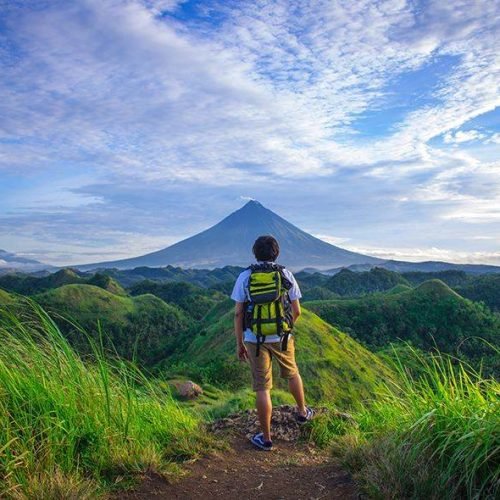
Adventure travel isn’t just about adrenaline rushes, remote landscapes, and pushing physical limits—it’s also about preserving moments that stir the soul. For many adventure travelers, photography is the perfect way to tell their story, share experiences, and celebrate the raw beauty of the world’s wild places.
Whether you’re climbing alpine peaks, diving coral reefs, or trekking through deserts, knowing how to capture high-quality images in dynamic environments transforms your journey into lasting visual memories. But shooting in unpredictable, often rugged outdoor settings requires more than just a good camera—it demands preparation, technique, and a deep understanding of your surroundings.
In this guide, we’ll explore how to approach photography on adventure trips—from gear selection and composition strategies to practical tips for extreme environments—so you can come home with images that do your adventures justice.
Why Adventure Photography Matters
Adventure photography is a unique blend of storytelling, environmental awareness, and technical skill. It freezes moments that reflect the essence of exploration—struggle, triumph, solitude, and discovery.
Key reasons to invest in adventure photography:
- Preserving Experiences: Revisit life-changing moments years after they’ve passed.
- Inspiring Others: Your photos can encourage others to explore the natural world.
- Raising Awareness: Capturing fragile ecosystems and remote cultures helps highlight the need for conservation and responsible travel.
- Creative Fulfillment: For many, photography is a creative outlet that adds depth and intention to their travel.
Essential Photography Gear for Adventure Trips
Packing the right equipment is crucial for both mobility and image quality. Adventure photography often requires you to travel light without compromising your ability to shoot stunning scenes.
1. Camera Options
- DSLR or Mirrorless Cameras: Offer the best image quality, interchangeable lenses, and manual controls. Mirrorless models are lighter and ideal for hikers and climbers.
- Action Cameras (e.g., GoPro): Great for fast-paced activities like biking, surfing, or skydiving.
- Smartphones: Today’s high-end phones produce impressive images and are perfect for spontaneous or lightweight travel.
2. Lenses
Choose lenses based on the activities and subjects you’ll be shooting:
- Wide-Angle (14-24mm): Perfect for landscapes and tight spaces.
- Standard Zoom (24-70mm): Versatile for portraits, scenery, and low-light conditions.
- Telephoto (70-200mm or more): Useful for wildlife and distant mountains.
3. Accessories
- Tripod or Mini Tripod: For long exposures and stable video.
- Spare Batteries and Memory Cards: Cold weather and remote areas may limit charging opportunities.
- Camera Rain Cover or Dry Bag: Protect your gear from water, dust, and sand.
- Cleaning Kit: Keep lenses free of smudges and dirt.
Planning Shots Before the Trip
Great images are rarely the result of luck—they’re planned and anticipated.
1. Research the Location
- Study maps, weather patterns, sunrise/sunset times, and terrain.
- Look at existing photography for inspiration but seek your unique angle.
2. Scout Your Route
- Identify key photo opportunities along the trail or path.
- Consider high vantage points, unique formations, and likely wildlife sightings.
3. Understand Light Conditions
- Early morning and late afternoon (golden hour) offer the best natural light.
- Be mindful of shadows, contrast, and glare—especially in snowy or desert environments.
Composition Tips for Powerful Adventure Photos
While equipment matters, knowing how to frame your shots is what makes them resonate.
1. Tell a Story
Your photo should communicate a moment: a climber on a ridge, a hiker reaching a summit, or the quiet before a storm. Think narrative.
2. Include a Human Element
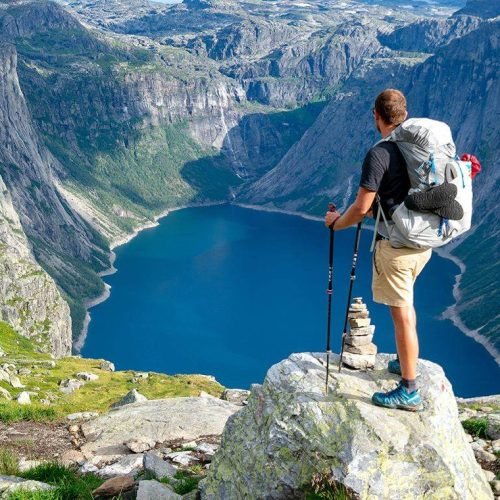
Adding people to vast landscapes creates scale and emotion. A lone figure can emphasize solitude, struggle, or triumph.
3. Use the Rule of Thirds
Imagine your image divided into a grid of nine equal squares. Place subjects or horizons along these lines or their intersections for balance and interest.
4. Look for Leading Lines
Paths, rivers, fences, or even shadows can guide the viewer’s eye through the photo and add depth.
5. Change Your Perspective
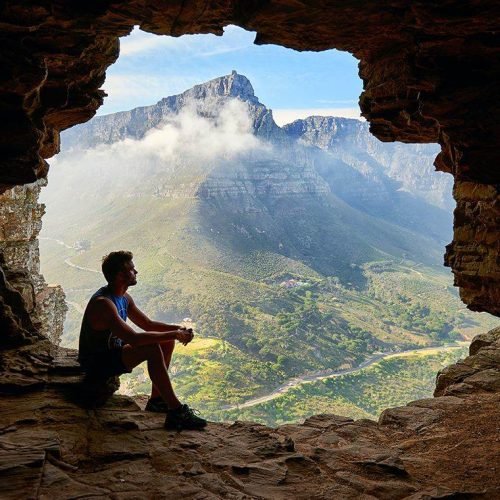
Climb higher, crouch lower, or shoot through natural frames (like arches or branches). Unique angles make images stand out.
Shooting in Challenging Environments
Adventure travel often places you in extreme or unpredictable settings. Here's how to adapt:
1. Cold Weather
- Batteries drain faster in freezing temperatures. Keep spares in your jacket.
- Moisture from condensation can fog up lenses. Use silica packs and weather-sealed gear.
2. Rain and Humidity
- Use waterproof housings or camera rain covers.
- Avoid changing lenses in wet environments.
3. Deserts and Dust
- Dust can scratch lenses and damage sensors. Use a UV filter and avoid changing lenses outdoors.
- Clean your camera daily and store it in a sealed bag when not in use.
4. High Altitude
- Electronics may behave erratically. Monitor exposure settings carefully.
- Bright snow or glare can trick your camera’s metering—compensate by adjusting exposure manually.
Capturing Action Shots
Adventure travel is full of motion. Here's how to freeze or emphasize movement:
1. Use Fast Shutter Speeds
- For moving subjects like bikers or wildlife, a shutter speed of 1/1000s or higher keeps the shot crisp.
2. Burst Mode
- Useful for unpredictable moments like a climber’s leap or a bird taking flight. Shoot several frames rapidly to capture the perfect one.
3. Panning
- Move the camera with a moving subject at a slower shutter speed to create a blurred background while keeping the subject sharp.
Post-Processing and Editing
Editing isn’t cheating—it’s enhancing. However, stay true to the scene.
1. Shoot in RAW
RAW files retain more data, allowing for better post-processing of color, contrast, and sharpness.
2. Use Editing Software
- Adobe Lightroom or Capture One are industry standards.
- Avoid over-editing. Keep skies natural, shadows believable, and colors authentic.
3. Organize Your Photos
Tag and label images by location, subject, or emotion to make finding them easier later.
Telling the Whole Story
A strong adventure travel album includes more than just hero shots. Consider documenting:
- The journey: Campsites, trail food, transport.
- The people: Locals, fellow travelers, guides.
- The environment: Flora, fauna, weather changes, trail signs.
These supporting images provide context and evoke emotion when paired with your highlights.
Ethical Considerations in Adventure Photography
1. Respect Nature
- Don’t disturb wildlife or venture off trails for a shot.
- Avoid using drones where prohibited, especially near animals or sacred areas.
2. Ask for Permission
- Always ask before photographing people, especially in remote communities.
- Be sensitive to cultural norms and expectations.
3. Leave No Trace
- Never manipulate the environment to improve a photo (e.g., breaking branches or removing objects).
- Pack out what you bring in.
Conclusion: Be Present and Prepared
Photography can enhance your connection to the places you visit, but it shouldn’t overshadow the experience itself. Don’t spend your entire trip behind the lens. Take time to absorb the scenery, feel the wind, and breathe the moment.
Adventure photography isn’t just about sharpness and light—it’s about emotion, perspective, and storytelling. With the right approach, your images can do more than fill a memory card; they can inspire, educate, and ignite a passion for the world’s wild places in others.
So pack your gear, charge your batteries, and step into the wild—ready to chase the perfect shot, and even more importantly, ready to appreciate the journey it takes to get there.