Adventure travel is evolving. Travelers are no longer content with a single activity or experience—they crave variety, challenge, and immersion. That’s where multi-sport adventures come in. By combining hiking, biking, and kayaking into one epic journey, these trips offer an unmatched way to experience diverse landscapes, engage multiple skill sets, and stay physically and mentally stimulated.
Multi-sport adventures cater to the thrill-seeker, the fitness enthusiast, and the explorer who wants to engage with the environment in more than one way. Whether you're trekking through a mountain pass, biking across rolling countryside, or paddling down a winding river, the blend of disciplines makes for an unforgettable and dynamic travel experience.
What Is a Multi-Sport Adventure?
A multi-sport adventure is a journey that incorporates two or more physical outdoor activities—most commonly hiking, mountain biking, and kayaking—into a cohesive itinerary. These activities often span a few days to a few weeks and are designed to take full advantage of the natural environment.
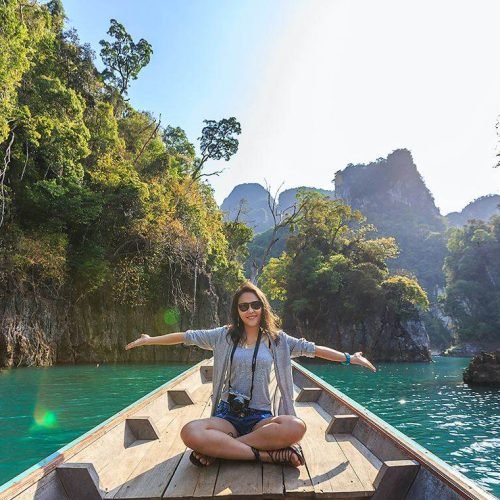
For example, a multi-sport trip through Patagonia might include trekking through glacial valleys, biking through remote towns, and kayaking in crystal-clear fjords. In Southeast Asia, a traveler might bike through rural villages, hike up jungle trails, and kayak among limestone cliffs and hidden caves.
Why Choose a Multi-Sport Adventure?
1. Engage with the Landscape
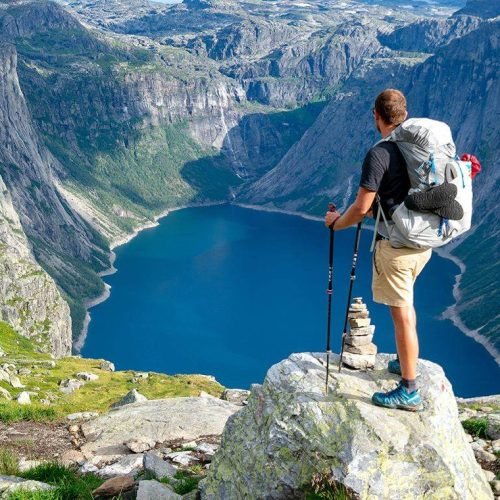
Each activity offers a different perspective. Hiking allows you to explore trails and ascend mountains, biking lets you cover more ground and cruise through diverse terrain, and kayaking provides access to waterways and secluded spots unreachable by land.
2. Avoid Monotony
Instead of repeating the same activity day after day, multi-sport adventures keep things fresh and exciting. You’ll wake up each day with a new challenge and a new way to explore.
3. Total Body Workout
Engaging in multiple sports ensures that different muscle groups are activated. It's not only great for physical fitness but also helps prevent overuse injuries associated with doing one activity continuously.
4. Expand Your Skills
You don’t have to be an expert at everything. Multi-sport trips often include instruction, allowing you to improve or even learn new skills in a safe, guided environment.
Planning Your Multi-Sport Adventure
Before diving into a multi-sport trip, it’s important to plan carefully. These trips can be self-guided or organized through adventure tour companies, and each comes with its own set of considerations.
1. Assess Your Fitness and Experience
Evaluate your current fitness level and comfort with each activity. You don’t need to be a triathlete, but a reasonable base level of stamina and endurance is important.
2. Choose the Right Destination
Select a destination that naturally supports all three activities. Popular multi-sport destinations include:
- Costa Rica: Rainforest hikes, volcano biking, and kayaking in mangroves.
- New Zealand: Alpine trekking, mountain biking, and sea kayaking in fiords.
- British Columbia, Canada: Coastal hikes, trail rides, and kayaking among whales.
- Croatia: Island-hopping by kayak, cycling through vineyards, and coastal hiking.
- Peru: Inca trail trekking, Sacred Valley cycling, and Amazon kayaking.
3. Pick the Right Season
Climate plays a major role. Consider weather patterns, trail accessibility, water levels, and daylight hours. Many companies offer trips during specific windows to ensure optimal conditions.
Gear and Packing Tips
Multi-sport trips demand efficient and smart packing. You may be switching between gear frequently, so versatility and packability are key.
1. Clothing
- Moisture-wicking base layers
- Quick-dry shirts and shorts
- Insulating mid-layers
- Waterproof shell jacket
- Durable hiking boots
- Lightweight trail or cycling shoes
- Swimsuit and water shoes
2. Equipment
If the trip is organized, most technical gear (bikes, kayaks, paddles, helmets) is provided. For self-guided adventures, ensure your gear is travel-friendly and meets safety standards.
3. Essentials
- Hydration system or reusable bottle
- Sunglasses and sun protection
- Compact first aid kit
- Multi-tool or pocket knife
- Dry bags for water-based activities
- Headlamp or flashlight
Training for a Multi-Sport Adventure
To get the most from your journey, it helps to train across disciplines beforehand. Here’s a simple prep strategy:
1. Build Endurance
Start a training routine that includes 30–60 minute cardio sessions 4–5 times a week, mixing running, cycling, and swimming.
2. Strength and Core Work
Add strength training 2–3 times a week, focusing on legs, core, and back to support load-bearing activities like hiking and paddling.
3. Practice Transitions
Simulate doing two activities in a single session—for example, a bike ride followed by a short hike. This will help your body adjust to switching disciplines on the trip.
A Day in the Life of a Multi-Sport Adventurer
Imagine this itinerary:
- Morning: Wake up in a mountain lodge. After breakfast, begin a scenic 10-kilometer hike up a ridge overlooking a pristine valley.
- Midday: Stop for lunch by a lake. Transition to mountain bikes and ride down flowing single-track through forested hills.
- Afternoon: Reach the river at the base. Get into your kayak and paddle downstream through gentle rapids and lush, overhanging jungle.
- Evening: Pull up at a riverside camp, share stories around a fire, and prepare for the next day’s leg of the journey.
Each phase brings new views, sensations, and accomplishments.
Going Solo or Guided?
1. Self-Guided Trips
These offer more flexibility and independence. They’re ideal for experienced travelers who are comfortable navigating new terrain and logistics. You can tailor the trip to your own pace and interests.
Pros: Flexible, budget-friendly, customizable
Cons: More planning, greater responsibility
2. Guided Tours
Perfect for those who want logistics handled and expert guidance. Local guides enhance safety, provide instruction, and share cultural and environmental insights.
Pros: Worry-free, expert support, group camaraderie
Cons: Fixed schedules, higher cost
Environmental Impact and Responsible Travel
Multi-sport adventures traverse various ecosystems, so it’s essential to minimize your environmental footprint.
• Leave No Trace: Stay on marked trails, pack out trash, and avoid disturbing wildlife.
• Eco-Friendly Operators: Choose tour companies that prioritize sustainability and give back to local communities.
• Respect Local Cultures: When passing through villages or using local services, be courteous, support local businesses, and learn about the culture.
Final Thoughts: Embrace the Diversity of Movement
Multi-sport adventures go beyond sightseeing—they immerse you in movement, nature, and culture all at once. Each day becomes a journey not just across landscapes but across abilities and boundaries.
By combining hiking, biking, and kayaking, you tap into the full range of what it means to explore. You connect with your body, the land, and the elements in a way few other trips offer.
Whether you're gliding through mountain lakes, pedaling forest trails, or trekking ancient footpaths, multi-sport adventures turn travel into a transformative, holistic experience.
So pack your gear, train a little, and embrace the journey. The trail, the road, and the river await.