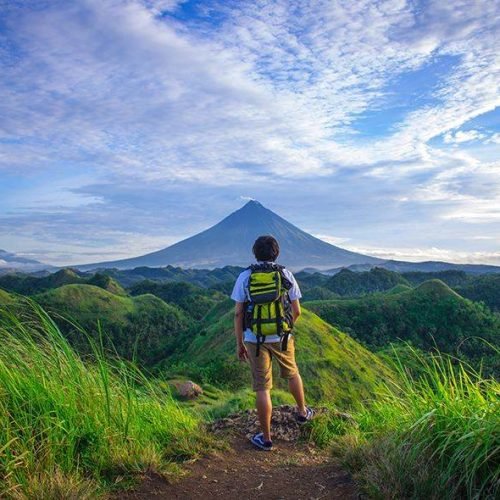
When people think of Italy, they often imagine rolling vineyards, sun-soaked villages, and Renaissance art. But in the far north, where Italy meets Austria and Switzerland, there’s a very different Italy—one built not on soft hills and olive groves, but on sheer cliffs, deep valleys, alpine lakes, and snow-covered summits.
Welcome to the Dolomites—a UNESCO World Heritage Site and one of Europe’s most dramatic mountain ranges. With jagged limestone peaks, lush meadows, and high-altitude trails that hug cliff edges, the Dolomites are an adventurer’s dream. Whether you're a seasoned hiker, a daring climber, or simply a nature-lover who prefers views to crowds, this is where you’ll find Italy’s most breathtaking landscapes and thrilling outdoor experiences.
1. Hiking in the Dolomites – Trails That Touch the Sky
The Dolomites offer some of the best hiking in Europe, with well-marked trails that range from family-friendly walks to multi-day hut-to-hut treks across high alpine ridges.
Top Hiking Routes:
- Tre Cime di Lavaredo Loop: One of the most iconic hikes in the Dolomites, circling three massive limestone peaks. It’s a moderate 10-kilometer loop with nonstop panoramic views.
- Seceda Ridge Hike: Accessible by cable car from Ortisei, this hike along jagged ridgelines offers cinematic views and photogenic grassy slopes.
- Alta Via Routes (1 & 2): These are multi-day trails crossing the entire Dolomite range, complete with rifugi (mountain huts) for overnight stays and warm meals.
What sets the Dolomites apart is the combination of drama and accessibility. You’ll pass waterfalls, wildflower meadows, glacial lakes, and rugged peaks—all within a day’s hike. Most trails are well-maintained and connected by cable cars, buses, and rifugi, making planning simple and safe.
2. Via Ferrata – Climb Like a Mountaineer (No Experience Needed)
If you’ve ever dreamed of climbing sheer cliffs without being a professional, the via ferrata system in the Dolomites is your gateway to vertical adventure.
What is Via Ferrata?
- Italian for “iron path,” via ferrata routes are protected climbing paths equipped with metal cables, ladders, and foot rungs.
- Originally built for WWI soldiers, these routes now allow hikers to safely climb dramatic mountain faces with minimal risk.
Top routes include:
- Via Ferrata Ivano Dibona (Cortina d’Ampezzo): A classic ridge traverse that includes historic bunkers and stunning views of Monte Cristallo.
- Via Ferrata delle Bocchette (Brenta Dolomites): One of the most famous and scenic, involving suspension bridges and narrow ledges.
You’ll need a helmet, harness, and via ferrata kit, all easily rented from local shops. Many guided tours are available, but confident hikers can also go solo on beginner-friendly routes.
The reward? Exposure to vertical cliffs, stunning aerial views, and a deep sense of achievement—without requiring elite climbing skills.
3. Winter Adventures – Skiing, Snowshoeing, and Ice Climbing
When snow falls, the Dolomites transform into one of Europe’s premier winter sports destinations. Dolomiti Superski, a network of 12 resorts, offers over 1,200 kilometers of groomed runs—and that’s just for starters.
Winter Sports to Try:
- Ski Touring: Explore off-piste terrain with climbing skins and glide down remote powder fields.
- Snowshoe Hikes: Peaceful treks through snow-covered forests and valleys, with incredible views and no crowds.
- Ice Climbing: Frozen waterfalls in areas like Val di Fassa or Val Gardena provide vertical thrills for trained climbers or guided beginners.
One of the Dolomites’ most iconic ski routes is the Sellaronda, a circular ski tour around the Sella massif that links four valleys in a single loop. It can be done in a day and offers both challenge and scenery for intermediate skiers.
For those who don’t ski, winter still delivers—think hot chocolate in mountain huts, spa retreats with snowy views, and cozy wooden lodges under starry skies.
4. Mountain Biking and E-Biking – Two Wheels, One Epic Landscape
During the warmer months, the Dolomites open up to mountain bikers and e-bike adventurers, offering a network of trails that cut through valleys, ridges, forests, and alpine plateaus.
Popular Routes:
- Sellaronda MTB Tour: A thrilling circuit with lift-assisted climbs and descents—ideal for experienced riders.
- Val Pusteria and Alta Badia Trails: More relaxed, scenic routes perfect for e-bikers and families.
- Enduro and downhill zones around Cortina and Canazei for technical terrain lovers.
Many resorts offer bike rentals, lifts adapted for bikes, and GPS maps. The terrain is varied—flowing singletrack through meadows, gravel switchbacks, and heart-pounding downhill runs.
Add in fresh alpine air, cozy rifugi for refueling, and sweeping views, and you’ve got the perfect recipe for two-wheeled adventure.
5. Paragliding – Fly Over the Peaks
Want the most epic view of the Dolomites? Take to the skies with paragliding, an experience that lets you soar silently above the jagged peaks and valleys.
Where to Fly:
- Val Gardena and Alpe di Siusi are the most popular launch zones, offering tandem flights with experienced instructors.
- San Martino di Castrozza and Dobbiaco also offer spectacular routes with views over forests and lakes.
Flights typically last 15–30 minutes, depending on weather, and are accessible to anyone in average health. No experience required.
It’s a unique way to witness the scale and majesty of the Dolomites—from the silence of the clouds.
6. Lakes and Wild Swims – Cool Down the Alpine Way
After a long hike or bike ride, there’s no better way to recover than a dip in a mountain lake.
Best Dolomite Lakes:
- Lago di Braies (Pragser Wildsee): Famous for its emerald water and boathouse, perfect for canoeing and photography.
- Lago di Sorapis: Accessible by a moderately challenging hike, with turquoise water nestled beneath towering cliffs.
- Lago di Carezza: A smaller but stunning lake surrounded by pine forest and alpine peaks.
Swimming is permitted in many lakes, though water can be chilly even in summer. You can also rent rowboats, enjoy picnics, or just relax by the shore.
7. Where to Base Yourself – Mountain Towns and Rifugi
The Dolomites are dotted with charming alpine towns that serve as adventure hubs. Each offers easy access to trails, lifts, gear rental, and hearty cuisine.
Top Adventure Bases:
- Cortina d’Ampezzo: The “Queen of the Dolomites,” ideal for climbing, skiing, and via ferrata.
- Ortisei (Val Gardena): Great for hiking, mountain biking, and scenic beauty.
- Canazei (Val di Fassa): Central location for access to Sellaronda and multi-sport options.
- San Candido (Alta Pusteria): Excellent for families, e-bikers, and hikers.
If you’re trekking across the mountains, stay in rifugi—remote alpine huts offering dorm beds, meals, and incredible sunrise views. Book ahead during peak season.
8. When to Go and What to Pack
Best Season:
- Summer (June to September): For hiking, biking, climbing, and lake visits
- Winter (December to March): For skiing, snowshoeing, and ice activities
What to Pack:
- Sturdy hiking boots and weatherproof layers
- Sunscreen, hat, sunglasses (alpine sun is strong)
- Water bottle, map, and a camera for sure
- Gloves, crampons, or harness if planning via ferrata or winter adventures
The Dolomites’ weather can shift quickly, especially at altitude, so always check forecasts and trail conditions before heading out.
Final Thoughts: The Dolomites Are Italy’s Crown Jewel of Adventure
Italy’s Dolomites are a rare blend of accessibility and wilderness, where medieval mountain villages meet world-class climbing routes, and cable cars take you to trailheads that lead straight into the clouds.
Whether you're hiking across alpine ridges, scaling via ferrata, skiing through powder fields, or floating on a mirror-still lake, the Dolomites offer a kind of adventure that recharges both body and spirit.
It’s Italy, but not as you know it. And for those who seek high peaks and higher thrills, it might just be the most beautiful adventure destination in Europe.