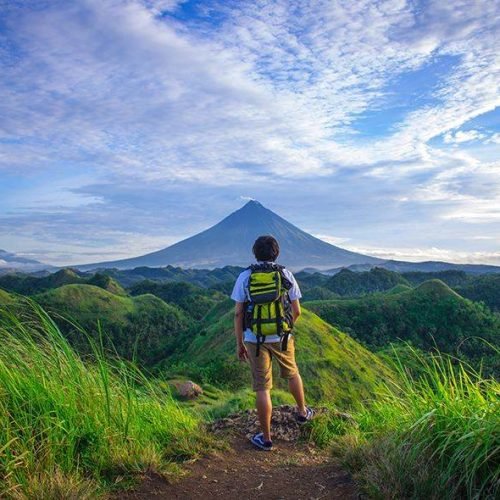
Italy is a country of contrasts — from alpine peaks to sun-drenched piazzas — but few places capture that diversity quite like Sardinia. Located in the heart of the Mediterranean, this island isn’t just another beach destination. Sardinia is raw, rocky, and real — a landscape carved by wind, water, and time.
Home to crystal-clear coves, deep limestone canyons, rugged mountain ranges, and prehistoric caves, Sardinia offers a kind of adventure that’s both elemental and epic. Here, you’ll find some of Europe’s best coasteering, canyoning, rock climbing, scuba diving, trekking, and sea kayaking, all within reach of charming hilltop villages and ancient ruins.
If your idea of travel includes swimming through sea caves, rappelling down waterfalls, or trekking across moon-like mountain plateaus, Sardinia may be your dream island.
1. Canyoning in Gorropu Gorge – Europe’s Grand Canyon
Start your Sardinian adventure deep in the island’s interior, in one of Europe’s most dramatic natural landmarks — Gola di Gorropu, or Gorropu Gorge.
Often called the "Grand Canyon of Europe," this 500-meter-deep chasm is surrounded by vertical limestone walls and carved by the rushing waters of the Flumineddu River.
What to Expect:
- Steep trails descending into the gorge
- Bouldering over massive stones and squeezing through narrow rock corridors
- Canyoning routes that include rappelling down waterfalls, scrambling over rocks, and swimming through natural pools
Guided canyoning tours are available and suitable for beginners with good fitness. Helmets, harnesses, wetsuits, and ropes are typically included, and certified instructors guide you every step of the way.
This is not a theme park-style excursion — it's an authentic wilderness experience where every step is earned and every view is breathtaking.
2. Sea Kayaking the Gulf of Orosei – Paddle Through Paradise
The Gulf of Orosei, on Sardinia’s eastern coast, offers one of the most scenic and adventurous coastlines in Europe — inaccessible by road in many parts and framed by towering cliffs, hidden beaches, and sea caves.
The best way to explore it? By sea kayak.
Highlights:
- Paddle to remote beaches like Cala Goloritzé, Cala Mariolu, and Cala Luna — often named among Italy’s most beautiful
- Navigate through sea caves like Grotta del Bue Marino, where stalactites and turquoise water meet in underground chambers
- Stop for snorkeling, cliff jumping, or picnic lunches on pristine shores
Guided tours range from half-day trips to multi-day expeditions with camping or hotel stops in coastal villages. No prior experience is needed for calmer routes, and kayaks are available to rent in Cala Gonone and Santa Maria Navarrese.
Few things compare to the quiet rhythm of paddling under Sardinia’s soaring cliffs with only the sound of your paddle and the call of seabirds overhead.
3. Trekking Selvaggio Blu – Italy’s Toughest Hike
For serious adventurers, Sardinia is home to one of Europe’s most demanding and spectacular long-distance hikes: the Selvaggio Blu.
Stretching roughly 45 kilometers along the wild east coast, this multi-day trek combines coastal hiking, scrambling, abseiling, and basic navigation with zero roads, no resupply points, and rugged terrain that tests both skill and endurance.
What Makes It Special:
- Traverses isolated cliffs, ancient shepherd paths, and dense Mediterranean scrub
- Requires ropes for vertical sections, some rated as Class IV climbs
- Overnight camping in remote coves or bivouacking beneath the stars
While some experienced hikers go independently, most choose guided tours that provide logistics, technical guidance, and safety. Treks are usually 5–7 days long, with boat pickup at the end.
Selvaggio Blu is not for the faint of heart, but for those who complete it, the reward is complete immersion in Sardinia’s wildest and most untouched coastline.
4. Scuba Diving and Snorkeling – Underwater Sardinia
Above ground, Sardinia is rugged and raw. Below the waves, it’s no less impressive.
With protected marine parks, sunken wrecks, and cave systems, the island offers incredible diving and snorkeling opportunities for all levels.
Top Dive Spots:
- Tavolara Marine Protected Area (northeast): Coral reefs, vibrant marine life, and excellent visibility
- Capo Carbonara (southeast): Home to groupers, moray eels, and colorful sea fans
- Grotta del Nereo (near Alghero): One of the largest underwater cave systems in the Mediterranean
Snorkeling is easy from many beaches, especially in coves like Cala Dragunara or Capriccioli. Many local dive shops offer PADI certification, guided dives, and equipment rental.
For history buffs, the island also offers WWII shipwreck dives and submerged Roman ruins — proving that Sardinia’s adventure doesn’t stop at the shoreline.
5. Rock Climbing and Bouldering – Limestone Heaven
With thousands of bolted routes, overhanging sea cliffs, and inland crags, Sardinia is a world-class rock climbing destination, especially for lovers of limestone.
Top climbing areas include:
- Cala Gonone: Dozens of crags overlooking the sea with sport climbing and multi-pitch routes
- Domusnovas (southwest): Home to Sardinia’s best trad climbing and large cave systems
- Isili: Famous for its steep limestone walls and technical routes
Even if you’re not a hardcore climber, many routes near Cala Fuili and Punta Giradili offer beginner-friendly walls and climbing schools with certified guides.
The combination of technical challenge and stunning surroundings makes Sardinia a true gem for vertical adventure.
6. Coasteering and Cliff Jumping – Thrill Meets Water
For those who love both land and sea, coasteering offers a blend of climbing, swimming, and cliff jumping along Sardinia’s wild shorelines.
Popular along the southwest coast near Buggerru, coasteering trips typically include:
- Scrambling over rocky coastal terrain
- Leaping from cliffs into deep blue pools
- Swimming into sea caves and narrow inlets
Guided tours provide wetsuits, helmets, and safety briefings, making it a fun and safe way to explore Sardinia’s coastline without a kayak or boat.
It’s a full-body workout that delivers adrenaline and unforgettable views in equal measure.
7. Where to Base Yourself – Adventure Hubs
Despite its size, Sardinia is best explored by region. Here are three key adventure bases:
- Cala Gonone (East Coast): Ideal for kayaking, climbing, hiking, and coastal exploration. Tour operators, boat rentals, and trails are right at your doorstep.
- Baunei: Closest access to the Selvaggio Blu and high cliff trails. Offers a mix of rustic charm and serious trekking options.
- Alghero or Palau (Northwest/Northeast): Great for diving, snorkeling, sailing, and access to marine parks like La Maddalena.
Most towns offer local guesthouses, agriturismos (farm stays), or small boutique hotels. Car rental is highly recommended to access trailheads and remote coves.
8. When to Visit and What to Bring
Best Season:
- April to June and September to October: Ideal weather for hiking, canyoning, and kayaking. Fewer crowds and mild temperatures.
- July and August: Hot and dry, great for sea adventures but too warm for intense hiking.
Essentials to Pack:
- Sturdy hiking shoes and a hydration pack
- Lightweight wetsuit or quick-dry swimwear
- Helmet, gloves, and dry bags for canyoning or coasteering
- Sunscreen, sunglasses, and insect repellent
Many adventure activities are remote, so always carry water, snacks, and a first aid kit.
Final Thoughts: Sardinia is Italy’s Untamed Island of Adventure
Sardinia is a place where cliffs meet the sea, trails meet tradition, and every turn reveals a new layer of wild beauty. This isn’t the Italy of museums and cobblestone alleys — it’s an Italy of rock, wind, and water. An island where shepherd trails lead to secret coves, and forgotten gorges echo with the sounds of falling water and climbing ropes.
Whether you’re paddling along the Gulf of Orosei, descending into Gorropu Gorge, or finishing a four-day trek along the Selvaggio Blu, Sardinia doesn’t just offer adventure — it demands engagement, endurance, and wonder.
And for travelers who seek the wild rather than the polished, it might just be the most authentic part of Italy you’ll ever experience.