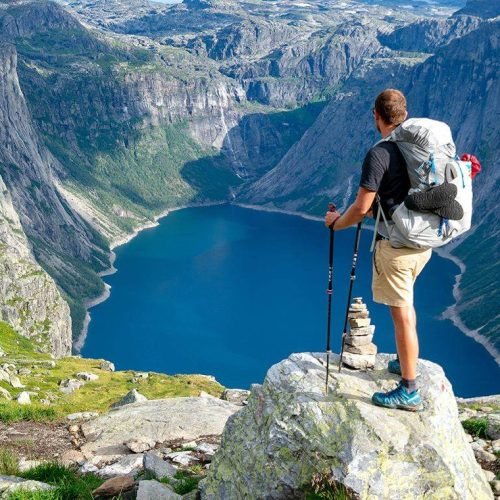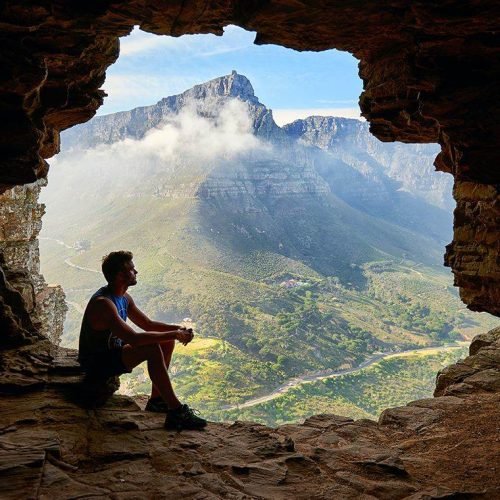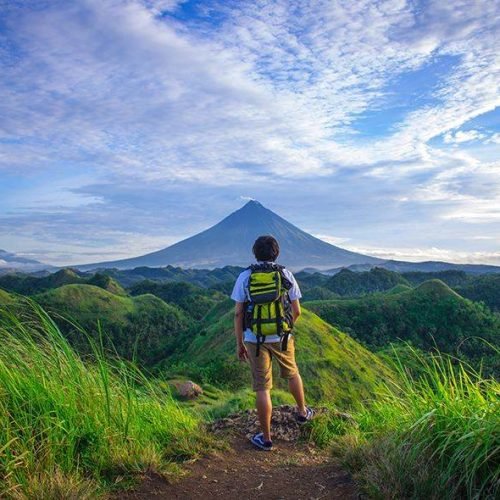
For those drawn to the edge — both literally and figuratively — adventure and climbing offer the ultimate test of courage, endurance, and mental strength. Whether it's the raw thrill of ascending a granite face or the satisfaction of summiting a remote peak, climbing is more than a sport; it’s a lifestyle that challenges the body and feeds the soul.
In recent years, rock climbing has evolved from a niche outdoor pursuit to a mainstream adventure sport. From bouldering in indoor gyms to scaling remote alpine walls, climbing offers a unique and rewarding experience for adrenaline junkies and nature lovers alike. This guide explores everything you need to know about climbing — from beginner basics to gear, techniques, safety, and the world’s best destinations.
What Is Adventure Climbing?
Adventure climbing, also known as traditional or "trad" climbing, is a form of rock climbing that takes place outdoors on natural rock formations. Unlike indoor or sport climbing, trad climbers place and remove their own protective gear as they ascend, navigating natural routes shaped by the rock itself.
This form of climbing embraces the spirit of exploration. It’s less about speed or competition, and more about self-reliance, decision-making, and experiencing nature in its most raw and vertical form.
Other types of climbing include:
- Sport Climbing – Uses permanent bolts drilled into the rock for protection.
- Bouldering – Climbing short, technical routes without ropes but with crash pads.
- Alpine Climbing – Climbing in high-altitude, mountainous terrain.
- Ice Climbing – Ascending frozen waterfalls and icy rock faces using ice axes and crampons.
Why Climbing Appeals to Adventurers
Climbing attracts those who thrive on challenge and discovery. Some of the key reasons people take up climbing include:
- Mental Focus: Climbing demands full concentration, pushing you into a state of flow.
- Physical Fitness: It builds strength, flexibility, endurance, and coordination.
- Connection to Nature: Climbers often find themselves in stunning natural landscapes.
- Community and Camaraderie: The climbing community is known for its supportive, adventurous spirit.
- Sense of Accomplishment: Every completed route or summit brings immense personal reward.
Essential Climbing Gear
Adventure climbing requires specialized equipment to ensure safety and performance. Here’s a basic gear list for traditional outdoor climbing:
1. Climbing Shoes
These tight-fitting shoes with sticky rubber soles provide grip on small rock features.
2. Harness
Worn around the waist and legs, it connects you to the rope system.
3. Helmet
Protects against falling rocks or impacts during a fall.
4. Rope
Dynamic ropes absorb impact from falls. Lengths vary but 60m is standard for many routes.
5. Belay Device
Used to control rope movement while belaying a partner.
6. Carabiners and Quickdraws
Metal loops used for securing ropes and gear.
7. Protection Gear
Includes cams, nuts, and hexes that are inserted into cracks for anchor points in trad climbing.
8. Chalk and Chalk Bag
Helps keep hands dry for better grip.
9. Climbing Pack
To carry gear, water, snacks, and layers on your approach and descent.
Always double-check your gear before any climb. Faulty or missing equipment can lead to serious accidents.
Learning the Basics: How to Start Climbing
If you’re new to climbing, starting indoors is often the safest and easiest route. Here’s how to begin your journey:
- Join a Climbing Gym
Most major cities have indoor gyms with climbing walls for bouldering and top-rope climbing. - Take a Lesson
Qualified instructors can teach you belaying, knot tying, safety commands, and basic techniques. - Learn the Language
Climbing has its own vocabulary — terms like crux (hardest part), pump (muscle fatigue), and beta (route advice) are good to know. - Practice Falls and Safety
Controlled falling helps build confidence and trust in your gear and belayer.
Once you’re comfortable indoors, transition to outdoor climbing with an experienced partner or guide.
Climbing Techniques and Skills
To become a strong climber, you’ll need more than strength. Key techniques include:
- Footwork: Precise foot placement conserves energy.
- Balance: Using your center of gravity effectively is crucial.
- Body Positioning: Keep your hips close to the wall and use your legs more than your arms.
- Route Reading: Mentally mapping out the moves before you climb.
- Resting Techniques: Finding rests mid-route helps prevent burnout.
Climbing is as much a mental game as a physical one. Staying calm and breathing deeply in tough spots is key to success.
Safety Tips for Outdoor Climbing
Adventure climbing comes with inherent risks, but following safety protocols can minimize danger:
- Double-check knots and harnesses before every climb.
- Use a helmet even on short or easy routes.
- Inspect your gear regularly for wear and damage.
- Communicate clearly with your climbing partner.
- Stay aware of weather conditions, especially on long alpine or multi-pitch routes.
- Practice safe falling — don’t panic or grab the rope mid-fall.
- Know your limits and don’t push beyond them without proper preparation.
Consider taking a wilderness first aid course if you plan on climbing in remote areas.
Best Climbing Destinations Around the World
Ready to plan your climbing adventure? Here are some of the most iconic spots on Earth for rock climbing:
1. Yosemite National Park, USA
Famous for its granite walls like El Capitan and Half Dome, Yosemite is the holy grail for big-wall climbers.
2. Kalymnos, Greece
With over 3,000 sport routes and sea views, this limestone paradise is perfect for all levels.
3. Fontainebleau, France
One of the world's top bouldering destinations, located just outside Paris.
4. Red River Gorge, USA
Renowned for steep sport climbing and beautiful sandstone cliffs in Kentucky.
5. Hampi, India
A surreal landscape of giant granite boulders, ideal for bouldering and cultural exploration.
6. Krabi, Thailand
Climb limestone cliffs that rise above turquoise waters, then relax on white sand beaches.
Adventure Climbing vs. Sport Climbing
| Feature | Adventure Climbing | Sport Climbing |
|---|---|---|
| Protection | Removable gear (cams/nuts) | Fixed bolts |
| Risk Level | Higher (requires route-finding) | Lower (bolts placed by experts) |
| Route Variety | Natural and unpredictable | Engineered for flow |
| Skills Needed | Anchor building, route-finding | Focus on physical technique |
| Ideal For | Explorers and purists | Training and performance climbers |
Adventure climbing is perfect for those who want to connect deeply with nature and rely on personal judgment, while sport climbing is great for technical skill-building and physical progression.
Climbing and the Environment: Leave No Trace
With climbing’s growing popularity, it’s vital to protect the natural areas we love. Practice Leave No Trace ethics:
- Stick to established trails to prevent erosion.
- Pack out all trash, including tape and chalk.
- Avoid damaging vegetation or disturbing wildlife.
- Use minimal chalk and brush holds after use.
- Respect local access rules and landowners.
Being a responsible climber ensures that outdoor crags remain open and beautiful for future generations.
Conclusion
Adventure and climbing are more than physical challenges — they’re gateways to self-discovery, natural beauty, and unforgettable experiences. Whether you're topping out on a sunlit peak or navigating a tricky bouldering problem, the rewards go far beyond the summit.
With the right mindset, gear, and respect for the environment, climbing becomes a lifelong journey — one that pushes boundaries, deepens resilience, and fuels the spirit of adventure.
So tie in, chalk up, and take the leap — the rock is calling.