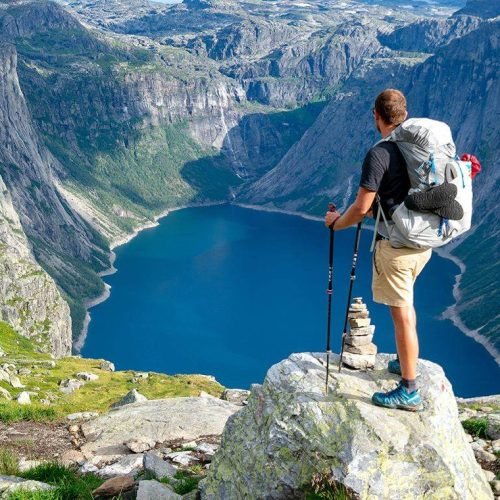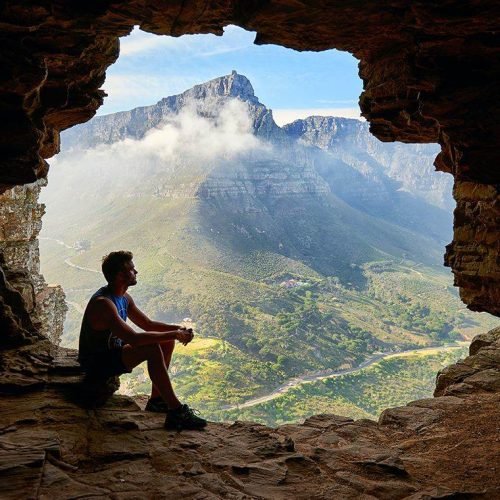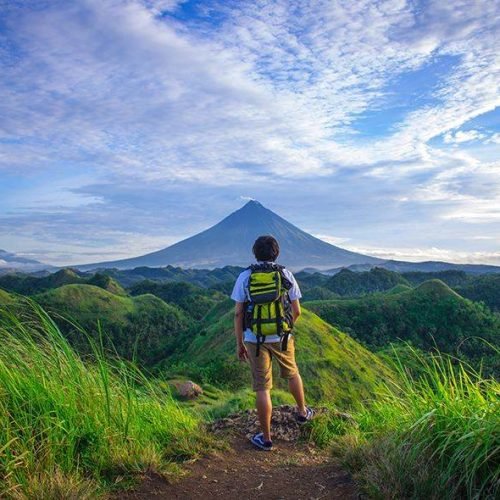
Standing atop a towering peak with clouds beneath your feet and panoramic views stretching beyond the horizon — few experiences rival the exhilaration of mountain climbing. A test of physical endurance, mental resilience, and raw determination, mountain climbing (or mountaineering) is more than a sport; it's a journey of self-discovery and conquest.
Whether you're dreaming of your first summit or planning to scale iconic peaks like Everest or Kilimanjaro, this comprehensive guide explores the essentials of mountain climbing — from gear and techniques to training, safety, and the world’s best mountains to conquer.
What is Mountain Climbing?
Mountain climbing, also known as alpinism or mountaineering, is the sport of ascending mountainous terrains using a combination of hiking, rock climbing, ice climbing, and survival skills. Unlike hill trekking or hiking, mountain climbing often involves technical climbing over steep, high-altitude, and sometimes glaciated terrain.
Mountaineering typically includes three phases:
- Approach: Trekking to the base of the mountain.
- Ascent: Climbing the mountain, which may involve mixed terrain.
- Descent: Safely returning to lower altitudes — often the most dangerous part.
This challenging adventure demands physical strength, mental focus, and a deep respect for nature's unpredictability.
Why People Are Drawn to Mountain Climbing
So why do climbers risk altitude sickness, cold temperatures, and physical exhaustion for a few moments at the summit?
- Personal Achievement: Summiting a mountain is an empowering milestone.
- Connection to Nature: Climbers experience some of the world’s most untouched, majestic environments.
- Mental Clarity: The simplicity and silence of the mountains help reset a cluttered mind.
- Adventure and Challenge: No two climbs are the same, and the challenges keep adrenaline seekers coming back.
- Global Community: Mountaineering fosters a unique bond among people who share risk and reward.
Types of Mountain Climbing
Depending on the terrain and elevation, mountain climbing can be categorized into several types:
1. Hiking and Trekking
Non-technical walking over established trails, often used to reach base camps or lower summits.
2. Scrambling
A mix of hiking and basic climbing on steeper terrain without the use of technical gear.
3. Rock Climbing
Using ropes and gear to ascend rock faces — common in mountainous areas with vertical or near-vertical rock.
4. Snow and Ice Climbing
Climbing over snowfields or frozen waterfalls using ice axes and crampons.
5. Alpine Climbing
Mountaineering in high-altitude conditions, often combining rock, snow, and ice climbing over several days.
Essential Mountain Climbing Gear
Climbing safely and efficiently requires specific equipment suited to both terrain and conditions. Here’s what you’ll typically need:
- Mountaineering Boots: Insulated and compatible with crampons for traction on snow and ice.
- Helmet: Protects from falling rocks or ice.
- Rope: Dynamic rope for absorbing falls on technical climbs.
- Harness: Worn around the waist and legs to attach to rope systems.
- Crampons: Metal spikes fitted to boots for climbing icy terrain.
- Ice Axe: Used for balance, cutting steps, and arresting falls on snow or ice.
- Carabiners and Belay Device: For securing ropes and managing descent.
- Clothing Layers: Base layer (moisture-wicking), mid layer (insulating), outer shell (waterproof and windproof).
- Gloves and Goggles: Essential for warmth and visibility in harsh conditions.
- Backpack: To carry essentials like water, food, first aid, and emergency gear.
Always check and test your gear before any climb, and know how to use each piece effectively.
Physical and Mental Preparation
Mountain climbing is physically demanding and mentally taxing. Training should begin weeks, even months, before the actual climb.
Physical Training:
- Cardio: Activities like running, hiking, cycling, or stair climbing build endurance.
- Strength: Focus on legs, core, and upper body to carry loads and climb.
- Flexibility and Balance: Yoga or mobility exercises help prevent injuries.
- Altitude Training: If possible, train at higher altitudes to adapt to thinner air.
Mental Preparation:
- Practice mindfulness, breathing exercises, and visualization techniques.
- Be prepared to face fatigue, fear, and harsh weather with a clear and calm mindset.
- Accept that mountain climbing involves risk, and mental adaptability is crucial.
Mountain Climbing Safety Tips
High-altitude environments are inherently dangerous. Following safety protocols can be life-saving:
- Check the Weather: Avoid climbs in stormy, windy, or avalanche-prone conditions.
- Acclimatize Properly: Ascend gradually to reduce the risk of altitude sickness.
- Stay Hydrated and Nourished: High energy expenditure requires regular meals and fluids.
- Climb with a Partner or Guide: Never climb alone in remote areas.
- Use Proper Anchors: Whether climbing or resting, always secure yourself with anchors or ropes.
- Know the Symptoms of AMS (Acute Mountain Sickness): Dizziness, nausea, fatigue, and headache should not be ignored.
- Emergency Preparedness: Always carry a GPS device, satellite phone, and first aid kit.
Top Mountain Climbing Destinations Around the World
Ready to conquer your first (or next) summit? Here are some legendary and beginner-friendly peaks:
1. Mount Kilimanjaro, Tanzania
- Africa’s tallest mountain and one of the Seven Summits.
- Non-technical but requires good fitness and acclimatization.
2. Mount Elbrus, Russia
- Europe’s highest peak.
- Offers both ski ascents and standard snow climbs.
3. Island Peak (Imja Tse), Nepal
- Ideal for climbers preparing for Everest.
- Offers stunning Himalayan views and technical sections.
4. The Matterhorn, Switzerland
- Iconic alpine peak with rock and snow climbing.
- Requires both fitness and technical skill.
5. Mount Rainier, USA
- A popular glacier climb and training ground for higher-altitude mountains.
- Involves snow travel, crevasse navigation, and rope work.
6. Stok Kangri, India (Ladakh)
- Once a popular 6,000m climb, now restricted to preserve local ecosystems.
- Highlights the importance of responsible adventure tourism.
Environmental Ethics in Mountaineering
The beauty of the mountains must be preserved. Follow Leave No Trace principles:
- Pack Out What You Pack In: Take all waste, including biodegradable items, with you.
- Use Existing Trails and Campsites: Avoid damaging vegetation or disturbing wildlife.
- Limit Group Sizes: Smaller groups reduce environmental impact.
- Respect Local Communities and Cultures: Learn and honor local customs and practices.
Mountain Climbing vs. Hiking: Key Differences
| Aspect | Mountain Climbing | Hiking |
|---|---|---|
| Terrain | Steep, icy, or rocky terrain | Trails and moderate inclines |
| Technical Skills | High (rope work, ice travel) | Low |
| Gear Requirements | Specialized climbing gear | Basic gear (boots, poles) |
| Physical Demands | Intense | Moderate |
| Risk Level | High | Low to moderate |
While hiking is great for beginners and casual nature lovers, mountain climbing is a serious sport that requires proper training and preparation.
Conclusion
Mountain climbing is not just about reaching a peak — it’s about the process, the preparation, and the transformation that occurs along the way. It challenges you to push boundaries, conquer fears, and discover your physical and mental potential.
Whether you’re aiming to summit a 6,000-meter Himalayan giant or a modest alpine peak, every climb offers something invaluable: perspective, purpose, and a profound connection to nature. So gear up, train hard, and take that first step — the summit awaits.